
Quick Summary
- Circadian rhythm disorders occur when your internal clock doesn't match your environment, causing major sleep issues.
- Jet lag is temporary and happens after crossing time zones; Delayed Sleep Phase is a chronic condition where you naturally fall asleep very late.
- Treatments depend on the cause: bright light therapy works for both, while medication like melatonin helps reset specific hormones.
- Misdiagnosis is common; 28% of adults show symptoms, but most never get an official diagnosis.
- Untreated disorders increase long-term health risks, including diabetes and heart disease.
You know that exhausted feeling when you land in a new city, or the struggle to wake up at 7 AM when your body insists on sleeping until noon. It’s more than just fatigue. These sensations signal a deeper disconnect between your biology and your daily schedule. We often blame ourselves for "not trying hard enough," but sometimes the problem lies within our circadian rhythm. This biological clock runs on a roughly 24-hour cycle, controlling everything from when we feel sleepy to when we produce hormones.
When that clock gets thrown off, whether by a red-eye flight or a genetic tendency to stay up late, we face circadian rhythm disorders. Understanding the difference between temporary disruptions and long-term patterns is vital. One might be fixed by changing your curtains; the other requires a strategic approach to light and lifestyle.
The Master Clock Inside Your Brain
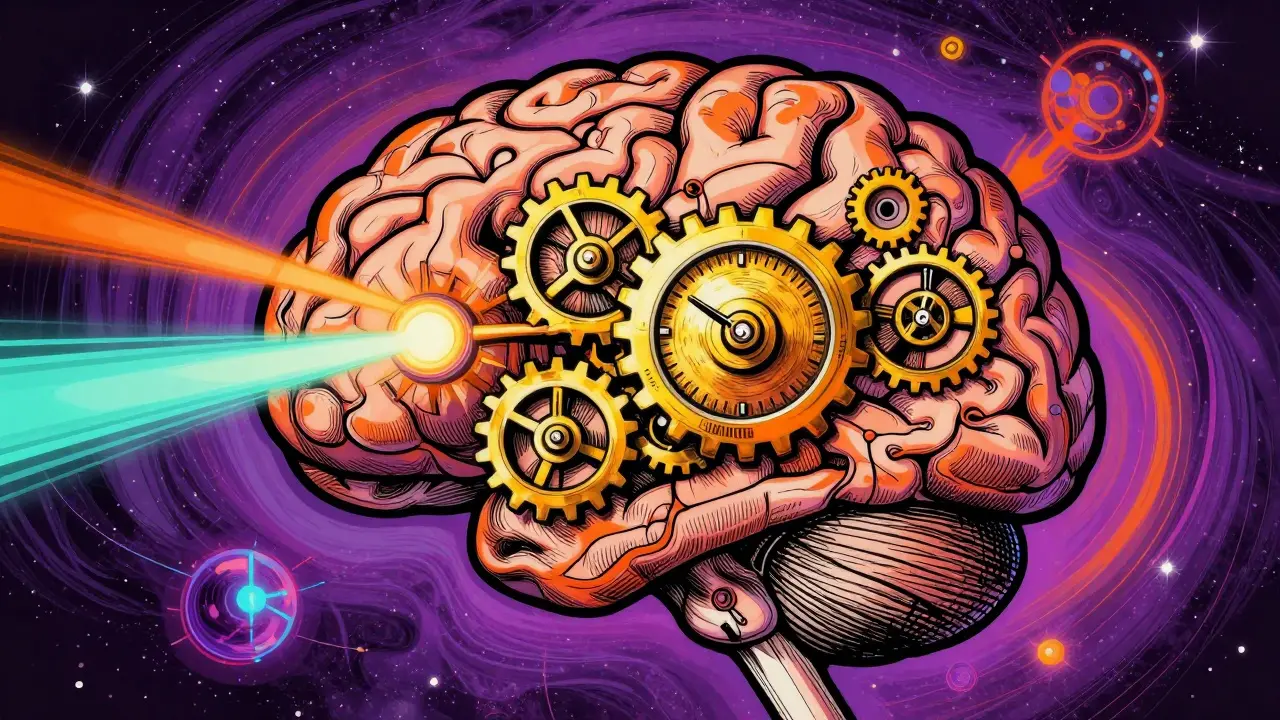
To understand why we suffer from sleep problems, we need to look at the machinery driving us deep in the brain. Deep inside the hypothalamus sits a tiny cluster of neurons called the suprachiasmatic nucleus (SCN). Think of the SCN as the conductor of an orchestra. Without a baton, every musician plays their own tune. With the conductor, everyone follows the beat. In the human body, light acts as that baton.
When sunlight hits your eyes, signals travel to the SCN, telling it to suppress melatonin production so you stay awake. When the sun sets, the SCN tells the pineal gland to release melatonin, signaling sleep. Problems arise when external cues-like screens, artificial light, or time zone changes-confuse this system. The National Heart, Lung, and Blood Institute notes that these rhythms are endogenous, meaning they exist even without outside cues, but they rely on environmental light to stay accurate.
If you consistently ignore these signals, such as pulling all-nighters on weekends during work weeks, you create social jet lag. This isn't just about feeling tired. Research suggests that chronic misalignment raises the risk of metabolic issues. A 2023 study highlighted in JAMA Neurology indicated that untreated circadian disruption increases type 2 diabetes risk by 29%. This makes understanding the types of disorders essential for protecting your overall health.
Differentiating Acute and Chronic Disruptions
People often confuse different sleep issues, thinking one is just a worse version of the other. They are actually quite distinct. The two most common forms involve traveling across time lines versus having a permanently shifted schedule.
| Feature | Jet Lag Disorder | Delayed Sleep-Wake Phase Disorder |
|---|---|---|
| Duration | Acute, usually resolves in 1-1.5 days per time zone | Chronic, persists for at least 3 months |
| Primary Trigger | Rapid travel across time zones (min. 2 zones) | Internal biological delay, likely genetic |
| Sleep Quality | Variable, often fragmented upon arrival | Normal quality/duration if allowed to sleep on natural schedule |
| Prevalence | Affects ~3 million frequent flyers annually in the US | Affects 7-16% of adolescents and young adults |
| Reset Time | Eastward travel takes longer to recover than westward | Requires behavioral changes (light/melatonin) to shift forward |
The biggest difference lies in longevity. Jet lag is a traveler's curse. It happens when your internal clock remains synced to your departure city while your body faces a new local time. Because humans generally prefer staying up later (delaying) rather than waking earlier (advancing), flying east hurts more. If you fly from New York to London, you need to force your body to wake up earlier against its will. Westward travel feels easier because your body can naturally drift later.
In contrast, Delayed Sleep-Wake Phase Disorder (DSWPD) is a persistent pattern. You might call yourself a "night owl," but this disorder goes beyond preference. You fall asleep significantly later than society expects-often between 3 AM and 6 AM-and consequently struggle to wake up early for school or work. When left alone, your sleep duration is normal. The problem arises when you try to force a conventional schedule onto a night-time biological design.
Recognizing the Symptoms in Daily Life
How do you know if you have a genuine disorder versus just bad habits? Look for consistency. For Jet Lag, symptoms appear rapidly after travel and fade as you adjust. You'll feel excessive sleepiness, cognitive fog, and perhaps stomach issues. Recovery typically takes one day for each time zone crossed.
For Delayed Sleep Phase, the hallmark is inability to fall asleep early despite wanting to. Many patients report spending hours in bed tossing and turning while the rest of the house sleeps. Another key sign is severe morning grogginess. Even if you sleep for 8 hours from 4 AM to 12 PM, you feel exhausted at work starting at 9 AM. Unlike insomnia, where you lie awake everywhere, a person with DSWPD sleeps deeply once the clock hits their biological bedtime.
Diagnosis relies on strict criteria. The International Classification of Sleep Disorders (ICSD-3) mandates symptoms persist for at least three months. Clinicians also look at objective markers like the Dim Light Melatonin Onset (DLMO). In healthy people, melatonin rises around 9 PM. In DSWPD patients, this chemical signal might not spike until midnight or later. Measuring this blood level confirms the physiological delay.
Strategies to Beat Jet Lag
If you are a frequent flyer, managing your internal clock before landing can save you from misery. Waiting until you arrive to fix your schedule is often too slow. Preparation starts days before departure.
Light exposure is your most powerful tool. To reset your clock fast, you need to view bright light at specific times. When traveling east (requiring an advance), seek bright light immediately upon waking in your new location. Conversely, wear sunglasses in the afternoon to avoid delaying your clock further. The American Academy of Sleep Medicine recommends timed bright light therapy, ideally 10,000 lux for 30 minutes. This mimics strong outdoor daylight and signals the SCN to reset quickly.
Hydration and caffeine play supporting roles. Avoid alcohol on flights, as it fragments sleep. Some travelers utilize apps designed to optimize their pre-flight schedules, calculating exactly when to nap or expose themselves to sunlight. While pharmacological aids exist, behavioral changes usually yield sustainable results. Remember, your gut microbiome also follows a circadian rhythm; keeping meal times aligned with the destination schedule can aid faster adjustment.
Treating Delayed Sleep Phase Effectively
Fixing a chronic condition like DSWPD requires discipline. Since your body naturally resists advancing the clock, you need to push it gently but consistently. Simply forcing yourself to bed early rarely works because you aren't sleepy yet. Instead, focus on the morning side of the cycle.
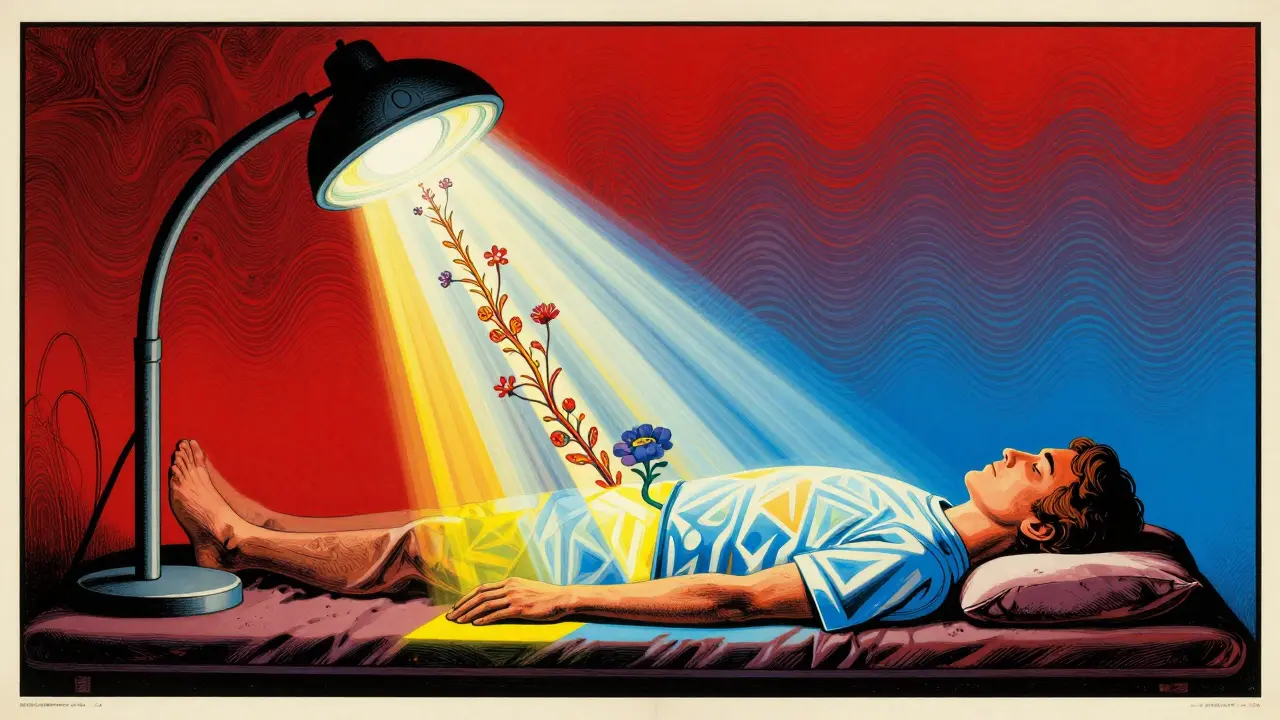
Bright light therapy is non-negotiable. Within an hour of your desired wake-up time, sit under a specialized lamp emitting 10,000 lux. Do this for 30 to 60 minutes. This suppresses melatonin production and sends a strong signal to the SCN that the day has started. Studies show this advances sleep timing by an average of 2.4 hours over four weeks when used correctly.
Melatonin supplementation helps too, but dosage matters. Most people buy 3 mg to 10 mg pills, which is far too high. High doses can make you drowsy for no benefit. Clinical guidelines suggest taking 0.5 mg, taken 5 to 7 hours before your target bedtime. This low dose mimics the body's natural hormonal peak and avoids suppressing the next cycle. Combine this with strict sleep hygiene: no screens after sunset, cool room temperature, and consistent wake times, even on weekends.
The Hidden Costs of Ignoring the Signal
Living with unmanaged sleep phase issues costs more than just energy levels. Chronic circadian misalignment places stress on multiple organ systems. Your immune system operates on a rhythm; disrupting it reduces your ability to fight viruses. Metabolic processes similarly slow down or speed up at wrong times, impacting glucose tolerance.
We often dismiss sleep problems as minor annoyances. However, longitudinal data connects circadian disorders directly to cardiovascular strain. Night shift workers and those with chronic phase delays see higher blood pressure variability. Mental health also suffers, with significant overlaps between DSWPD and depression diagnoses. By treating the underlying timing issue, you may improve mood regulation alongside sleep quality.
Corporate wellness programs are beginning to acknowledge this reality. Companies increasingly offer flexible start times or quiet rooms for breaks. Recognizing that some employees run on different cycles allows for better productivity rather than fighting biology with caffeine.
Is jet lag dangerous?
While jet lag itself is temporary, it causes reduced cognitive performance similar to being intoxicated. Severe fatigue increases accident risk. Long-term frequent travel without recovery might lead to chronic fatigue syndrome, though this link is less defined than immediate performance drops.
Can melatonin help with jet lag?
Yes, but timing is critical. Taking it at the wrong time shifts your clock in the opposite direction. For westward travel, take it before your usual bedtime. For eastward travel, skip melatonin or take it strictly upon arrival evening to facilitate sleep onset without shifting too much.
Why do I feel like a 'night owl'?
Genetics play a huge role. Variations in genes like PER3 and CLOCK determine your natural sleep preferences. If you are genetically predisposed to late sleep, forcing early mornings creates permanent strain. This isn't laziness; it is biology.
Do blue light glasses work?
They help reduce the impact of evening screen light, which delays sleep. While not a cure for DSWPD, reducing blue light exposure in the evening prevents further delaying of your circadian period, supporting your recovery strategy.
When should I see a doctor?
If sleep difficulties persist for over three months and affect your daily functioning, consult a sleep specialist. They can perform actigraphy monitoring or blood tests to confirm if you have a true circadian disorder.
Understanding your biological clock changes how you approach your day. Whether you are navigating a long-haul flight or simply trying to find peace in your sleep schedule, respecting the rhythm leads to better outcomes. It's not just about sleeping more; it is about sleeping at the right time.