Estrogen Therapy: What It Is, Who It Helps, and What You Need to Know
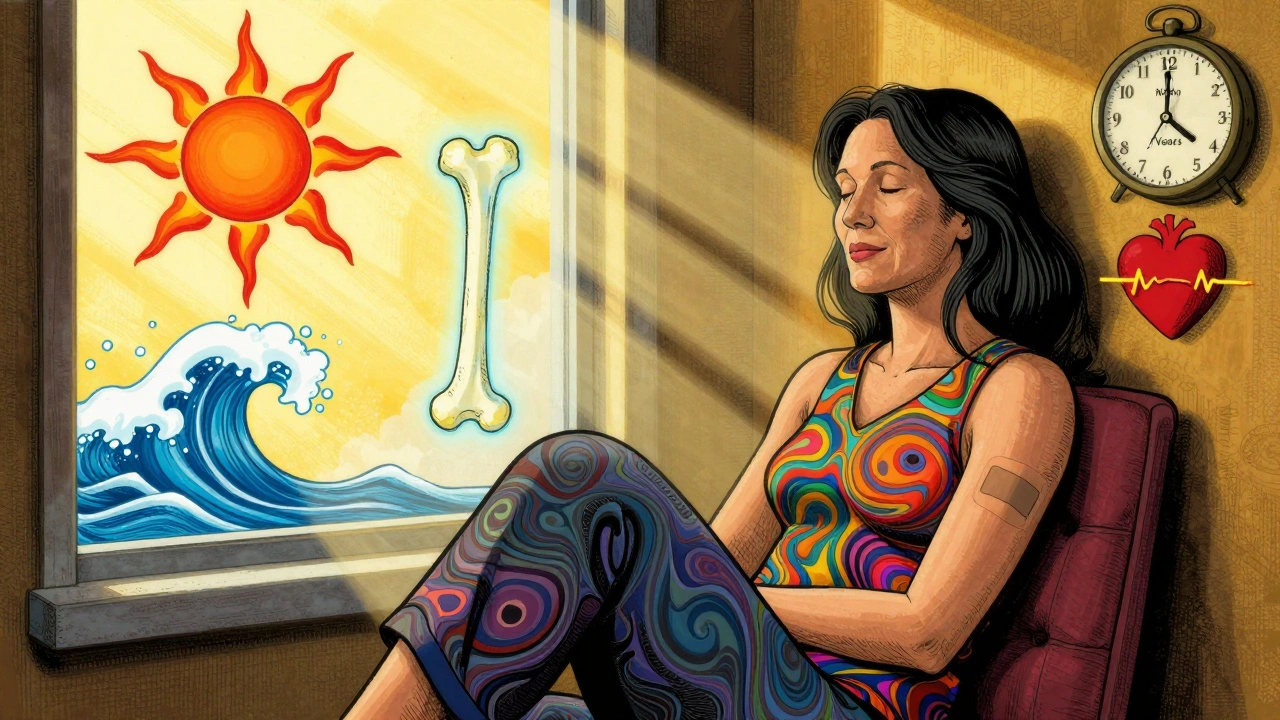
When your body stops making enough estrogen, a key female hormone that regulates reproductive health, bone density, and skin elasticity. Also known as hormone replacement therapy, it’s often used to ease symptoms like hot flashes, night sweats, and vaginal dryness that come with menopause. This isn’t just about comfort—it’s about protecting your long-term health. Low estrogen levels can lead to weaker bones, higher heart disease risk, and even changes in mood or memory. But estrogen therapy isn’t a one-size-fits-all fix. It comes in different forms—pills, patches, gels, creams—and the right type depends on your history, symptoms, and health goals.
Many women turn to hormone replacement, a broad term covering estrogen alone or combined with progesterone. Also known as menopausal hormone therapy, it’s most effective for those with moderate to severe symptoms who are within 10 years of menopause onset. But it’s not just for menopause. Some younger women with early ovarian failure or surgical removal of ovaries also need it to avoid early osteoporosis or other complications. The key is matching the dose and delivery method to your body’s needs. A patch might work better than a pill if you have liver issues. A cream could help vaginal dryness without affecting the rest of your system.
There’s no avoiding the risks. Estrogen therapy can raise your chance of blood clots, stroke, or breast cancer—especially if taken long-term or combined with progesterone. That’s why doctors now recommend the lowest effective dose for the shortest time needed. If you’ve had breast cancer, blood clots, or liver disease, it’s usually off the table. But for healthy women in their 50s with no red flags, the benefits often outweigh the risks. It’s not about fear—it’s about informed choices. You need to know your numbers: bone density, cholesterol, family history, and personal risk factors.
What you’ll find below are real, practical guides from people who’ve walked this path. Some talk about managing hot flashes caused by medication side effects. Others explain how estrogen interacts with thyroid meds or iron supplements. There’s advice on spotting hidden risks, like how certain drugs can interfere with hormone absorption, or how to tell if your symptoms are from aging—or from something else entirely. You’ll see how others navigated switching therapies, dealt with unexpected side effects, and found relief without going back to square one. This isn’t theory. It’s what works—for real bodies, in real life.