THC Interactions: What You Need to Know About Drug and Supplement Risks
When you use THC, the main psychoactive compound in cannabis that affects mood, pain, and appetite. Also known as tetrahydrocannabinol, it can change how your body processes other substances—sometimes in ways that are risky or even life-threatening. Many people think THC is harmless because it’s natural, but that’s not true. Just like alcohol or prescription pills, it interacts with your liver enzymes, nervous system, and blood pressure controls. If you’re taking anything else—antidepressants, blood thinners, heart meds, or even over-the-counter sleep aids—THC might make them stronger, weaker, or cause new side effects you didn’t expect.
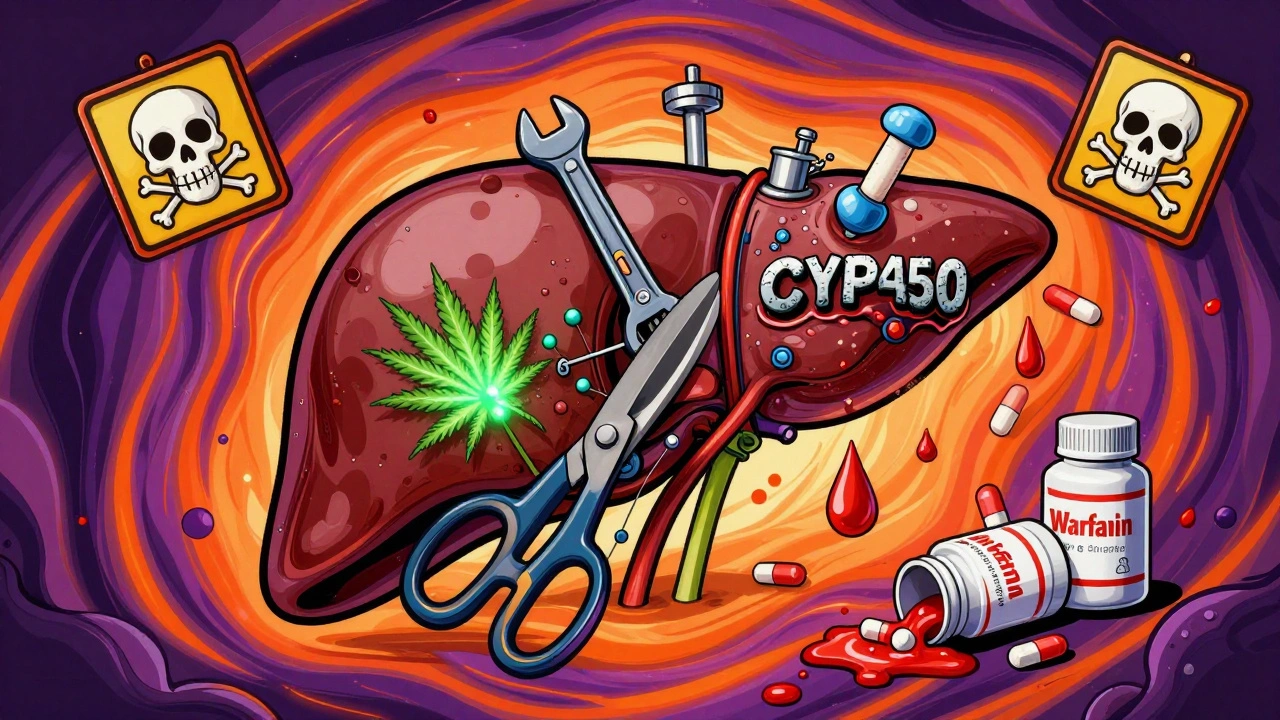
One big concern is how THC, interacts with the CYP450 enzyme system, the same system that breaks down most prescription drugs. This is why grapefruit juice warns you on the label—it does the same thing THC does. If you’re on statins like simvastatin, blood thinners like warfarin, or even antidepressants like SSRIs, mixing them with THC can push drug levels too high. That’s how you get dizziness, confusion, rapid heartbeat, or worse. And it’s not just pills. CBD, a non-psychoactive cannabis compound often taken for anxiety or pain works similarly. People think CBD is safe to mix with everything, but it can block the same enzymes as THC, making interactions even more unpredictable.
Then there’s the nervous system. THC can lower blood pressure and slow breathing. If you’re on sedatives like benzodiazepines or opioids, combining them with THC increases the risk of passing out, falling, or stopping breathing. People on thyroid meds like levothyroxine might notice their energy crashes harder. Those taking Revia for addiction? THC can interfere with its ability to block cravings. Even something as simple as iron supplements or antacids can be affected if taken at the same time as THC, because it changes how fast your stomach empties and how well nutrients absorb.
And it’s not just about what you take—it’s about how much, how often, and how your body handles it. Someone with kidney disease or liver problems? Their body clears THC slower. Older adults? More sensitive to dizziness and falls. People with mental health conditions? THC can trigger anxiety, paranoia, or worsen depression. The same dose that helps one person calm down might send another into panic. There’s no universal safe amount.
What you’ll find in the posts below isn’t just a list of warnings. It’s real-world examples of how people got hurt, how doctors spotted the problem, and what steps actually helped. You’ll see how medication switching, antibiotic stewardship, and even medical alert bracelets tie into this. Because if you’re using THC—and you’re on any kind of medication—you need to know what’s happening inside your body. This isn’t guesswork. It’s about protecting your health, one interaction at a time.