
When a blockbuster drug loses patent protection, brand companies face a tough choice: watch revenue drop by 80-90% or find a way to stay competitive. Many choose to launch their own generic version-called authorized generics-to protect profits while keeping prices low for consumers. But why would a brand company sell its own generic? Let’s break down the strategy.
What Exactly Are Authorized Generics?
Authorized generics are exact copies of brand-name drugs sold under generic pricing. Unlike traditional generics, they’re made by the original brand company and use the same formula-active and inactive ingredients-without needing separate FDA approval. They’re marketed under the brand’s New Drug Application (NDA), so they’re identical to the branded version except for the label.
For example, Greenstone Pharmaceuticals (a Pfizer subsidiary) sells the authorized generic for Celebrex (celecoxib). It looks like the original Celebrex pill but has different markings and is sold at generic prices. This means patients get the exact same medication they trusted, but without the brand-name markup.
How Authorized Generics Protect Revenue
When patents expire, brand companies lose most of their revenue fast. For a drug with $1 billion in annual sales, a 90% drop means losing $900 million. Authorized generics let these companies capture part of the generic market they’d otherwise lose entirely. Health Affairs (2022) found that between 2010 and 2019, 854 authorized generics launched in the U.S., with peak activity in 2014. This strategy keeps some revenue flowing while preventing competitors from monopolizing the market.
Here’s how it works: Instead of letting a single generic manufacturer take 100% of the market during the 180-day exclusivity period under the Hatch-Waxman Act, the brand company launches its own authorized generic. This forces the first generic maker to lower prices immediately. Federal Trade Commission data from 2011 showed prices dropped 15-20% faster in markets with authorized generics compared to those without them.
The Hatch-Waxman Act and Market Competition
The Hatch-Waxman Act of 1984 created rules for generic drug approval. It gives the first generic manufacturer 180 days of exclusivity to sell their version before others enter. But brand companies exploit this by launching authorized generics before or during this period. Health Affairs (2022) reports that 70% of authorized generics in markets with this exclusivity launched before or during the 180-day window.
For instance, when Concerta (methylphenidate ER) faced generic competition, Watson/Actavis (now part of Teva) launched its own authorized generic. This kept prices lower than if only one generic company had controlled the market. Patients paid less, and the brand company retained some market share instead of losing everything.
Market Segmentation Strategy
Brand companies use authorized generics to split the market. They keep the premium-priced brand for patients and insurers willing to pay more, while offering the authorized generic to cost-sensitive buyers. This is called price discrimination. For example, a patient might choose the brand-name drug for perceived reliability, while a Medicaid patient gets the authorized generic at a lower cost.
Roper Public Affairs & Media’s 2005 study found over 80% of Americans want the option of authorized generics. This isn’t surprising-patients know these versions match the brand’s exact formula. For drugs with narrow therapeutic indices (like blood thinners), where tiny formulation differences can cause problems, authorized generics ensure continuity of care without switching risks.
Real-World Examples in Action
- Celebrex (celecoxib): Greenstone Pharmaceuticals sells the authorized generic, which is identical to the brand but at generic prices. This helped Pfizer maintain market share after patent expiration.
- Colcrys (colchicine): Prasco Laboratories’ authorized generic version cut the drug’s price from $300 to $10 per pill, making it accessible for gout patients.
- Concerta (methylphenidate ER): Watson/Actavis’ authorized generic prevented a single generic company from monopolizing the market, keeping prices competitive.
These examples show how authorized generics balance patient access, brand revenue, and market competition. They’re not just about saving money-they’re a calculated business move that keeps the system working for everyone.
Regulatory Advantages Over Traditional Generics
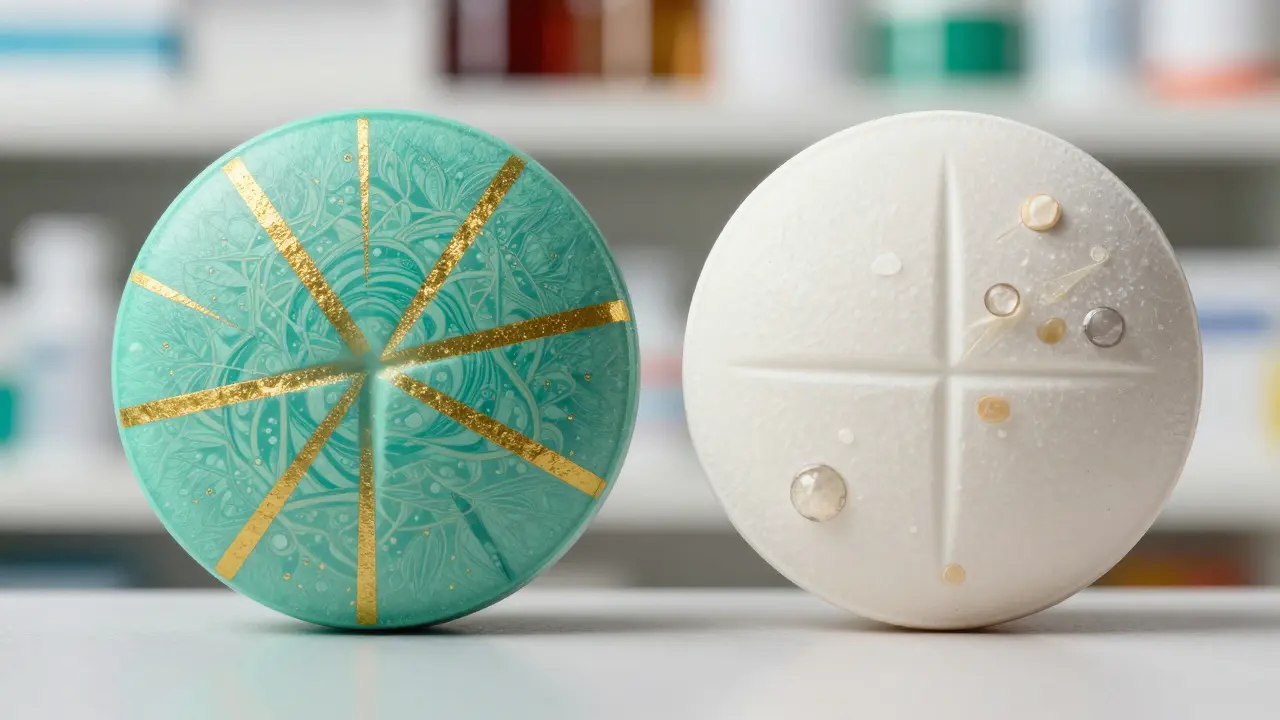
Traditional generics must prove bioequivalence through the lengthy ANDA process, which takes 18-24 months. Authorized generics skip this because they operate under the original brand’s NDA. This lets brand companies respond faster to competition. US Pharmacist (2020) notes this is crucial for drugs where minor formulation differences could affect outcomes.
For example, a traditional generic for a heart medication might use different inactive ingredients, potentially altering how the drug works. Authorized generics avoid this risk entirely. The FDA requires brand companies to notify them before launching an authorized generic, but no separate approval is needed. This speed and precision make authorized generics a powerful tool against generic competitors.
Future Trends in Authorized Generics
Recent data shows brand companies are launching authorized generics earlier-sometimes before generic competition even starts. AmerisourceBergen’s 2023 analysis found this preemptive strategy is becoming more common. For instance, some companies now release authorized generics months before the patent expires to lock in market share.
As specialty drugs and biologics face patent cliffs, the strategy is evolving. Evaluate Pharma (2023) predicts "authorized biosimilars" for biologic drugs, though regulatory pathways are still unclear. The FTC continues monitoring this space, but evidence shows net consumer benefits through lower prices. With more complex reimbursement models, authorized generics will likely adapt to value-based pricing, ensuring patients get affordable, high-quality care.
Comparison: Authorized vs. Traditional Generics
| Feature | Authorized Generics | Traditional Generics |
|---|---|---|
| Manufacturer | Original brand company | Third-party generic manufacturer |
| FDA Approval | Uses brand’s NDA; no separate approval needed | Requires ANDA process; 18-24 months for approval |
| Formulation | Identical active and inactive ingredients | Same active ingredient, may differ in inactive ingredients |
| Market Timing | Launched before or during generic exclusivity period | First generic usually gets 180-day exclusivity |
Are authorized generics the same as brand-name drugs?
Yes. Authorized generics contain the exact same active and inactive ingredients as the brand-name version. They’re manufactured by the original company and only differ in labeling or pill color. This means patients get the same effectiveness and safety profile without the brand-name markup.
Why would a brand company sell its own generic?
It’s a strategic move to protect revenue when patents expire. Instead of losing all market share to competitors, the brand company captures part of the generic market by selling their own version at lower prices. This keeps some revenue flowing while preventing competitors from monopolizing the market. For example, Pfizer’s Greenstone division sells the authorized generic for Celebrex, retaining market share after patent loss.
Do authorized generics lower drug prices?
Absolutely. Federal Trade Commission data from 2011 showed prices dropped 15-20% faster in markets with authorized generics compared to those without them. For instance, when Prasco launched the authorized generic for Colcrys, the price fell from $300 to $10 per pill. This benefits patients and insurers while maintaining competition.
How do authorized generics affect generic manufacturers?
They create direct competition for the first generic manufacturer that usually gets 180 days of exclusivity. This forces the generic company to lower prices immediately, which benefits consumers but limits their financial windfall. In some cases, it discourages aggressive generic competition because the brand company is already in the market. For Concerta, Watson/Actavis’ authorized generic prevented a single generic player from controlling pricing.
Are authorized generics available everywhere?
No. The strategy is most common in the U.S. due to specific FDA regulations and patent laws. Other countries have different rules for generics, so authorized generics aren’t widely used outside the United States. For example, the European Union has different pathways for generic drugs that don’t include this exact model.
Brendan Ferguson 4.02.2026
Authorized generics are a strategic tool for brand companies facing patent cliffs. By launching their own generic version, they retain some market share while keeping prices low. This prevents competitors from monopolizing the market and ensures continued competition. For instance, Pfizer's Celebrex authorized generic maintains patient access without the brand markup.
Dina Santorelli 4.02.2026
This is just another way Big Pharma keeps prices high. They're not really lowering prices-they're just creating a fake generic to keep control. Patients still pay more than they should. It's a scam.
Jennifer Aronson 4.02.2026
The use of authorized generics represents a nuanced approach to pharmaceutical competition. While traditional generics introduce market competition, authorized generics offer a unique advantage by leveraging the original manufacturer's expertise. This ensures consistency in drug quality while still providing cost savings.
Nancy Maneely 4.02.2026
This is why American pharma is the best. They know how to handle competition without letting foreign companies take over. Authorized generics keep the market strong and protect US jobs. Those other countries dont get it.
Phoebe Norman 4.02.2026
The Hatch-Waxman Act creates a strategic window for authorized generics. By entering the market during the 180-day exclusivity period the brand company effectively disrupts the first generic's monopoly. This drives prices down faster than traditional scenarios. No separate FDA approval needed just the NDA. This is crucial for drugs with narrow therapeutic index.
Albert Lua 4.02.2026
I love how the US handles this. Other countries don't have the same system. In Europe, they do things differently. But here, authorized generics keep things fair for patients and companies. It's a great model.
lance black 4.02.2026
Authorized generics are a win-win for patients and companies.
Elliot Alejo 4.02.2026
This makes sense. Brand companies need to adapt when patents expire. Authorized generics let them stay competitive without sacrificing quality. It's a smart move that benefits everyone.
Joyce cuypers 4.02.2026
This is such a smart strategy. Authroized generics help patients get the same meds at lower costs. Pharma companies stay in business too. Win win!
one hamzah 4.02.2026
This is awesome! 😍 Authorized generics are a game-changer for drug pricing. They ensure quality and affordability. India's pharma industry should look into this! 🌍💡 #PharmaInnovation
Thorben Westerhuys 4.02.2026
This is absolutely fascinating! I can't believe how clever the strategy is! It's like a chess move-brand companies are always thinking ahead! They don't just give up when patents expire-they adapt! Brilliant!
Katharine Meiler 4.02.2026
The regulatory advantage of authorized generics is significant. By utilizing the original NDA, they bypass the ANDA process, which typically takes 18-24 months. This allows for immediate market entry and preserves market share during the critical exclusivity period. It's a highly efficient mechanism.
Laissa Peixoto 4.02.2026
It's interesting how this strategy balances corporate interests with patient needs. By offering authorized generics, companies avoid the pitfalls of traditional generic competition while maintaining quality. It's a testament to how innovation in business models can serve multiple stakeholders.
Danielle Vila 4.02.2026
Wait, think about this. What if the FDA and pharma companies are in cahoots? Authorized generics are a way to control the market under the guise of competition. They're not really helping patients-they're just keeping the same players in control. It's all a scheme to keep prices high while pretending to lower them. Wake up people! This is just another example of how corporations manipulate the system. They create fake competition to keep profits high. The government is in on it. They don't want you to know the truth. Read between the lines. Every time you see a new 'generic' drug, ask yourself who really benefits. It's never the patient. It's always the big pharma companies and their political allies. The whole system is rigged. They're using these authorized generics as a tool to maintain their monopoly. It's a scam, plain and simple. They're not lowering prices-they're just shifting how they charge you. Wake up! This is why we need real reform. This is why we need to expose the truth.
Lana Younis 4.02.2026
This is really cool. Authorized generics are a smart move. They keep prices down and ensure quality. Some people don't know they're the same as the brand. It's important to spread the word. Also, in other countries, the rules are different. But here in the US, it's a great system. 😊