
Steroid-Induced Hyperglycemia Risk Estimator
Use this tool to identify risk factors based on the clinical data provided in the article. Disclaimer: This is an educational tool, not a medical diagnosis. Always consult your physician.
Risk Analysis Result
Clinical Context:
Steroids increase glucose production in the liver and reduce glucose uptake in muscles via GLUT4 interference.
Taking a steroid for a severe asthma flare or an autoimmune condition can be a lifesaver, but it often comes with a hidden metabolic price. If you've noticed your blood sugar spiking out of nowhere after starting a medication like prednisone, you aren't alone. Between 20% and 50% of people on high-dose corticosteroids is a class of synthetic hormones that mimic the effects of cortisol to reduce inflammation and suppress the immune system develop hyperglycemia. For some, this leads to a temporary spike; for others, it triggers a full-blown case of steroid-induced diabetes.
Why Steroids Mess With Your Blood Sugar
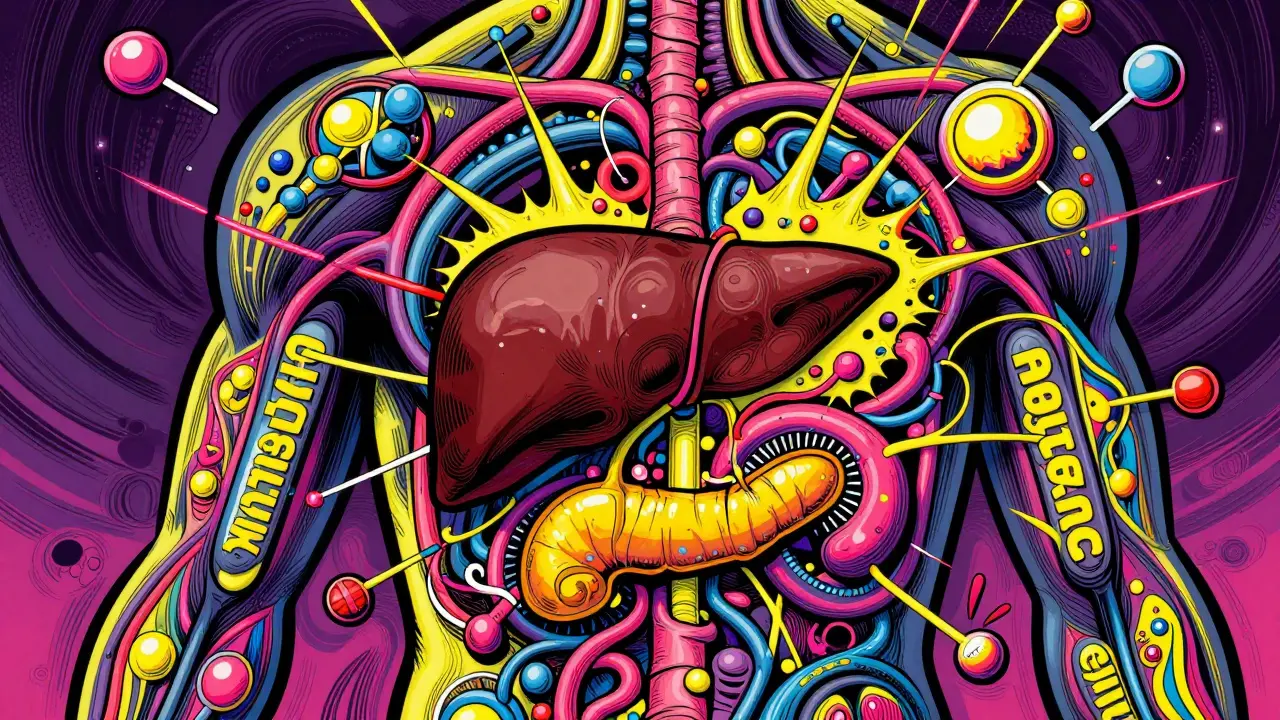
It isn't just one thing happening in your body; it's a multi-organ metabolic storm. When you take glucocorticoids, they act on several fronts to push your glucose levels higher. In the liver, these drugs ramp up the production of glucose by about 35-40%, essentially telling your body to dump extra sugar into your bloodstream even when you haven't eaten.
Meanwhile, your muscles-which usually act like a sponge for glucose-stop working efficiently. The steroids interfere with a protein called GLUT4, which is the primary transporter that lets sugar into your cells. This reduces glucose uptake by roughly 30%, meaning the sugar stays in your blood instead of fueling your muscles. To make matters worse, your fat cells start breaking down more rapidly, releasing free fatty acids that further block the signal for insulin to work. This is the textbook definition of insulin resistance.
Finally, the steroids hit the pancreas. They directly inhibit the beta cells-the cells responsible for making insulin-reducing their secretion by 20-35%. You end up with a "double whammy": your body needs more insulin because of the resistance, but your pancreas is producing less of it.
Who is Most at Risk?
Not everyone reacts to steroids the same way. Your risk depends heavily on the dose, the potency of the drug, and your own health history. For example, dexamethasone is significantly more potent than prednisolone and carries a much higher risk of causing hyperglycemia at equivalent anti-inflammatory doses. If you are taking 7.5 mg of prednisolone or more daily, your risk of developing steroid-induced diabetes increases more than threefold.
Other factors that can push you over the edge include:
- Age: Being over 50 years old increases your risk by about 3.1 times.
- Weight: A BMI of 25 or higher makes you 2.5 times more likely to experience spikes.
- Medical History: A history of gestational diabetes or kidney impairment (eGFR <60 mL/min) significantly raises the odds.
- Family Ties: If diabetes runs in your family, your metabolic system is already more vulnerable to these drug effects.
| Risk Factor | Estimated Risk Increase | Specific Threshold/Value |
|---|---|---|
| Prednisolone Dose | 3.2-fold | ≥ 7.5 mg daily |
| Dexamethasone Dose | 2.8-fold | ≥ 0.75 mg daily |
| Age | 3.1-fold | Over 50 years |
| BMI | 2.5-fold | ≥ 25 |
| Kidney Function | 3.8-fold | eGFR < 60 mL/min |
Spotting the Signs: Symptoms and Red Flags
The tricky part about steroid-induced hyperglycemia is that the symptoms often mimic the side effects of the steroids themselves. You might feel an increase in hunger or notice weight gain (averaging 2.5 to 4 kg in the first month) and think, "That's just the prednisone." However, there are specific red flags for high blood sugar that you shouldn't ignore.
Keep an eye out for the "classic three": extreme thirst, frequent urination, and persistent tiredness. Headaches and blurred vision are also common. Interestingly, about 40% of people have no symptoms at all, which is why routine monitoring is so critical. If you're suddenly drinking water like a fish and waking up multiple times a night to use the bathroom, it's time to check your glucose levels.
In severe, untreated cases, this can lead to dangerous conditions like hyperglycaemic hyperosmolar state or diabetic ketoacidosis. These are medical emergencies with high mortality rates, which is why getting a handle on your numbers early is non-negotiable.

Practical Management Strategies
Managing your sugar while on steroids requires a different strategy than treating standard type 2 diabetes. The most important thing to understand is the "steroid curve." Because most people take their steroids in the morning, blood glucose typically peaks 4 to 8 hours later. This means your sugar might be fine at 8 AM but sky-high by 2 PM.
For those without diabetes, doctors generally start medication if fasting glucose exceeds 140 mg/dL (7.8 mmol/L) or random glucose exceeds 180 mg/dL (10.0 mmol/L). If you already have diabetes, be prepared for your insulin needs to jump by 50% to 100% during high-dose therapy.
Common management approaches include:
- Basal Insulin Adjustments: A common rule of thumb is increasing basal insulin by 20% for every 10 mg of prednisone equivalent dose above 20 mg/day.
- Mealtime Coverage: Using rapid-acting insulin to cover meals, often at a ratio of 1 unit per 5-10 grams of carbs.
- Sulfonylureas: These medications help the pancreas release more insulin. While effective, they require extreme caution during the "taper" phase to avoid severe hypoglycemia.
- GLP-1 Receptor Agonists: Newer research, such as the GLUCO-STER trial, suggests these may offer a lower risk of hypoglycemia compared to traditional insulin-only regimens.
The Danger of the Taper
The most dangerous time for a patient isn't always when they start steroids, but when they stop. As your doctor slowly reduces (tapers) your dose, your insulin resistance drops. If you keep taking the same amount of insulin or oral medications, your blood sugar can crash, leading to hypoglycemia.
Glucose levels usually normalize within 3 to 5 days after stopping the medication entirely. However, the transition is where mistakes happen. Many patients continue taking diabetes medications long after the steroids are gone, which is unnecessary and risky. Always coordinate your medication reductions with your steroid taper schedule.
Future Directions in Treatment
The medical community is working on ways to get the anti-inflammatory benefits of steroids without the sugar spikes. Researchers are developing tissue-selective glucocorticoid receptor modulators. In early trials, a compound called XG-201 showed a 65% reduction in hyperglycemia compared to prednisone while still treating the underlying inflammation.
We're also seeing a rise in digital tools. The STEROID-Glucose app, for instance, helps patients and doctors adjust insulin in real-time based on the specific steroid dose and current glucose readings, which has significantly reduced hyperglycemic events in pilot studies.
Can steroids cause permanent diabetes?
In most cases, steroid-induced hyperglycemia is transient and resolves after the medication is stopped. However, if you already have pre-diabetes or a strong genetic predisposition, the metabolic stress of corticosteroid therapy can sometimes trigger the onset of permanent type 2 diabetes.
How soon after taking a steroid dose will my blood sugar rise?
Hyperglycemia typically peaks 4 to 8 hours after your morning dose. This is why monitoring your glucose in the afternoon and evening is often more telling than a first-thing-in-the-morning check.
Should I change my diet while taking prednisone?
Yes. Since steroids increase glucose production and insulin resistance, reducing simple carbohydrates and refined sugars can help keep spikes manageable. Focusing on high-fiber vegetables and lean proteins helps stabilize blood sugar levels during treatment.
What is a "steroid taper" and why is it important for glucose?
A taper is the gradual reduction of the steroid dose. It is critical because as the drug leaves your system, your insulin sensitivity returns. If you don't lower your diabetes medications in tandem with the taper, you risk severe hypoglycemia (dangerously low blood sugar).
Which steroids are most likely to raise blood sugar?
High-potency steroids like dexamethasone have a significantly higher risk of causing hyperglycemia than lower-potency versions like prednisolone. Generally, the higher the dose and the longer the duration of therapy, the greater the risk.
Next Steps for Management
If you are starting a corticosteroid regimen, your first step should be to establish a glucose monitoring baseline. If you're on a high dose (≥20 mg of prednisone), consider checking your levels at least twice daily. Keep a log of when you take your medication and when your sugar peaks; this data is gold for your doctor when adjusting your insulin or oral meds.
For those already managing diabetes, don't wait for a crisis. Proactively discuss a "steroid plan" with your endocrinologist to adjust your basal and bolus doses before the first pill hits your system. This proactive approach drastically reduces the risk of hospital admission and keeps your recovery on track.